

I’m an avid reader – well, what a surprise. And although I enjoy crime novels, memoirs and mysteries I also like other books. So when The Bookbinder of Jericho appeared on my radar, being born in Oxford and knowing the place reasonably well, I wanted to read it. Well, what a lovely book. The author (or editor) helpfully put a map at the front so I could navigate my way round the streets of Oxford while enjoying the story.

Set in the time of WW1, Peggy and her sister Maude, work at OUP (Oxford University Press), in the bindery. Peggy, however, has ambitions, she wants to go to Oxford University. Does she succeed? Well, I’ll leave you to read the book. This delightful story takes you back to that period in history and to the challenges that people faced then. Oxford and the First World War became real to me, more than just the pages of a book.
So when I reached the end, and discovered an image of signatures from the actual bindery in 1915, I wanted to know more about the actual people who worked there. So I picked one – and here she is: Emily E. Steventon (did I choose her because her name was like mine? Perhaps).
At the time of the 1911 census (just 4 years before her signature appears in the list of bindery staff), Emily was 31 (so around 35 in 1915). She was born in 1879 or 1890 and had a sister 11 years younger: Thirza Ellen Hedges. Note the different last names. The girls’ mum was also called Thirza and in 1911 she was a widow. In 1911, both girls worked for the University Printing Office, Emily as a book folder and Thirza as a book gatherer. They lived in Wellington Street.

Emily’s dad was called Walter and, at the time of the 1881 census, was a fishmonger. It’s possible, however, that he died in 1887, and Thirza remarried very quickly (within months) – to a Joseph Hedges, with whom she had Thirza jnr. She also had two other children (with Walter): Emma and Caroline, although it’s possible that at some point Emma, sadly, died.
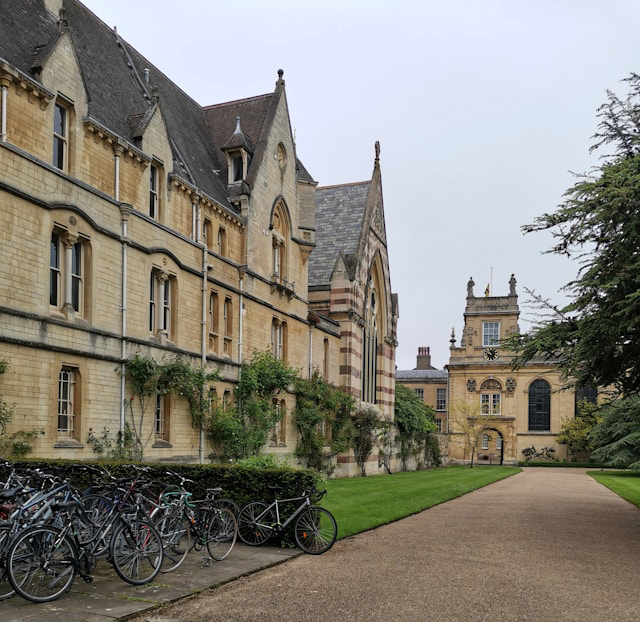
By 1901, the family have moved down the road to another house in Wellington Street – the one they live at in 1911. But by 1901 Caroline (Emily’s older sister) has moved out (she marries in 1903). By 1911, Joseph too has died (he may have died in 1906) and there are only the three women: Thirza, Emily and Thirza jnr in the house.
In 1915, the year of Emily’s signature in the book, her mum dies, aged around 59. In this same year, Thirza jnr gets married, to Harold George, but their marriage is short, because Harold dies in May 1921, at the same address in Wellington Street. Thirza and Harold had one child, a son, Ronald. Thirza lived much longer than her husband – until 1957, when she would have been around 65.
Emily probably never married. In the 1921 census, she was 42 and living with her nephew Ronald (Thirza’s son) and his wife, Ellen. She died in the first quarter of 1929, aged just 50, so younger than her mother and sister were when they died. But Emily’s signature lives on in the records, and in Pip Williams’ book. And her life, and those of the people around her in Jericho won’t be forgotten. Family history isn’t always just about family.
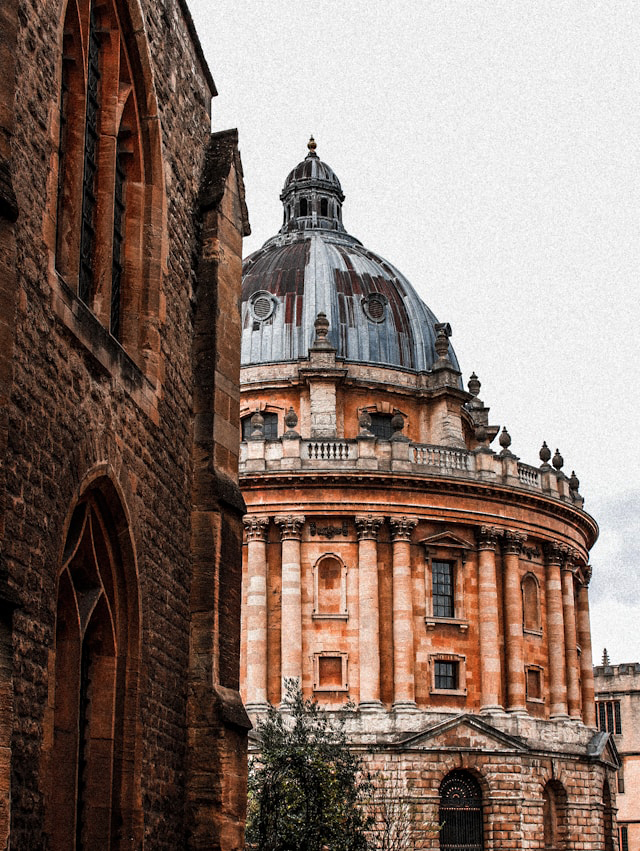
Join me for a family history workshop, looking specifically at memorabilia, photos, letters and other treasures this Friday (9 May). Tickets available from the Stratford Literary Festival website.


 Motivation to Publication - and beyond
Thanks!
LikeLike
Pity I’m fully booked that day at home, waiting for a sofa bed delivery and then teaching. Have a good one, Ellie.
LikeLiked by 1 person